Competitive Skydiving in 2026: How the Disciplines Are Changing
Updated on September 19, 2026 · 8 min read
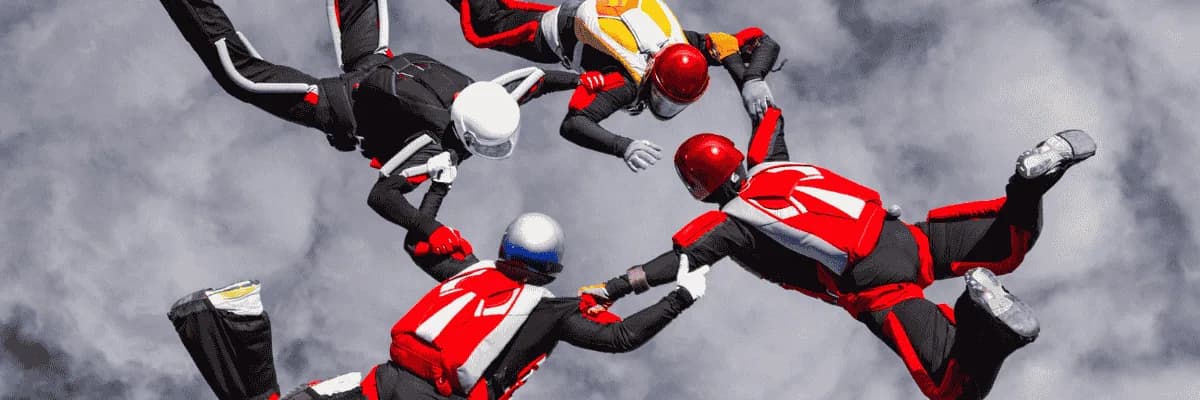
Sport skydiving is no longer "just" the romantic idea of a leap into the void: today it is a highly structured competitive ecosystem, with diverse disciplines, updated international regulations, and a technical level that grows season after season. Between 2025 and 2026, the trend is clear: more specialization, more spectacle (even for those watching), more attention to objective performance measurement, and an increasingly strong convergence between dropzone training and wind tunnel preparation.
In this article you will find a complete and updated overview of the main trends in competitive skydiving, with a focus on what is driving the "hottest" disciplines (VFS, artistic events, canopy piloting, wingsuit, speed) and on how competitions and judging criteria are evolving.
Before going into detail, here is a quick map of the disciplines covered in this article:
Ready to jump? Book your tandem with no advance payment.
Book now| Discipline | What it involves |
|---|---|
| Vertical Formation Skydiving (VFS) | Formations flown in a vertical position, alternating head-up and head-down, at significantly higher fall speeds than classic FS. |
| Formation Skydiving (FS) | Formations built flying mainly in a horizontal position (belly flying), following a predetermined sequence of figures. |
| Canopy Piloting | Flying the canopy through measurable speed, distance and accuracy tasks; the freestyle variant adds style and advanced control. |
| Speed Skydiving | Reaching the maximum vertical speed in free fall: the average is recorded by certified instruments within a predetermined altitude window. |
| Wingsuit Flying | Flying a wingsuit in speed events (such as slalom speed races) and high-speed accuracy tasks. |
The international calendar drives growth: more events, more categories, more audiences
In 2025 the European and global competitive movement continued to consolidate around the FAI (World Air Sports Federation) circuits and major national events such as the USPA championships, which often anticipate trends that then spread to Europe as well. The FAI has very clearly defined the sporting framework for skydiving (both outdoor and indoor) through its dedicated commission (ISC), with continental events and World Cups that fuel participation and technical standards.
At the same time, the "national" world (with its championships and selections) is becoming increasingly modular: different disciplines, different venues, separate competition weeks. This is an important signal because it indicates that the specialties are no longer a sideline, but true sports within the sport, with athletes, coaches, and teams entirely dedicated to them. An interesting example is the USPA championships framework already published for 2026, with a very broad set of disciplines planned (including wingsuit flying, speed skydiving, formation skydiving, artistic events, accuracy landing, in addition to the canopy piloting specialties in dedicated windows).
VFS on the rise: "verticality" has become the new normal at the top level
Among the disciplines dominating the conversation in 2025 and into 2026, Vertical Formation Skydiving (VFS) is probably the one that best represents the natural evolution of modern freefly: higher speeds, complex geometries, rapid changes, and a technical requirement that does not forgive errors in body position or distance.
What is Vertical Formation Skydiving (VFS)
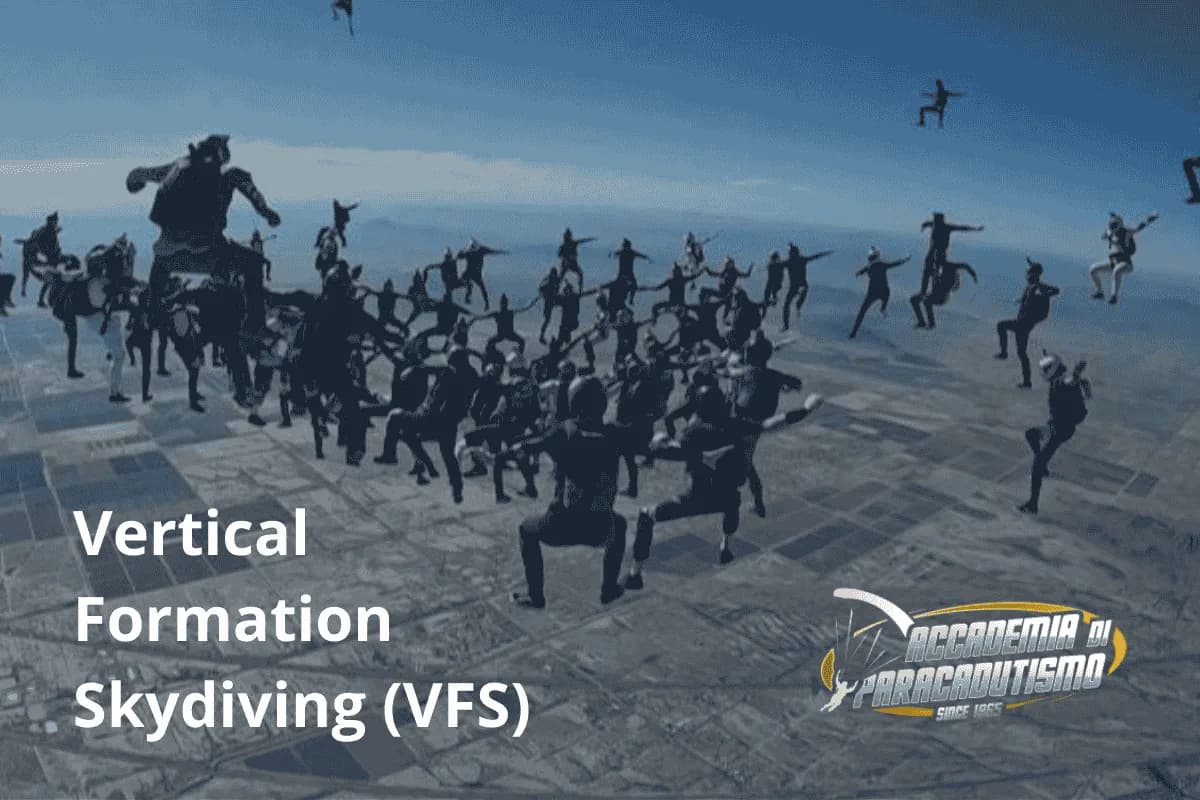
For those who don't know, Vertical Formation Skydiving (VFS) is a competitive skydiving discipline that arises from the evolution of freefly and traditional formation skydiving. Unlike classic FS, where skydivers fly predominantly in a horizontal position (belly flying), in VFS the formations are performed in a vertical position, alternating head-up and head-down positions.
The goal is to build and complete predetermined figures following a defined sequence, maintaining precision, synchronization, and level control, all at significantly higher fall speeds. This requires very advanced body control, great spatial awareness, and perfect team coordination, which is why VFS is considered one of the most technical and demanding disciplines in modern skydiving.
Technical trend 2025–2026: training is increasingly shifting along two axes. On one hand, the precision of the grip and of the geometries; on the other, the cleanliness of the transition. This means more hours in the tunnel, more video debriefing, more work on timing and level control. In practice, many teams are building "judge-proof" performances: less improvisation, more repeatability.
Canopy Piloting and Canopy Piloting Freestyle: increasingly objective technique and measurement
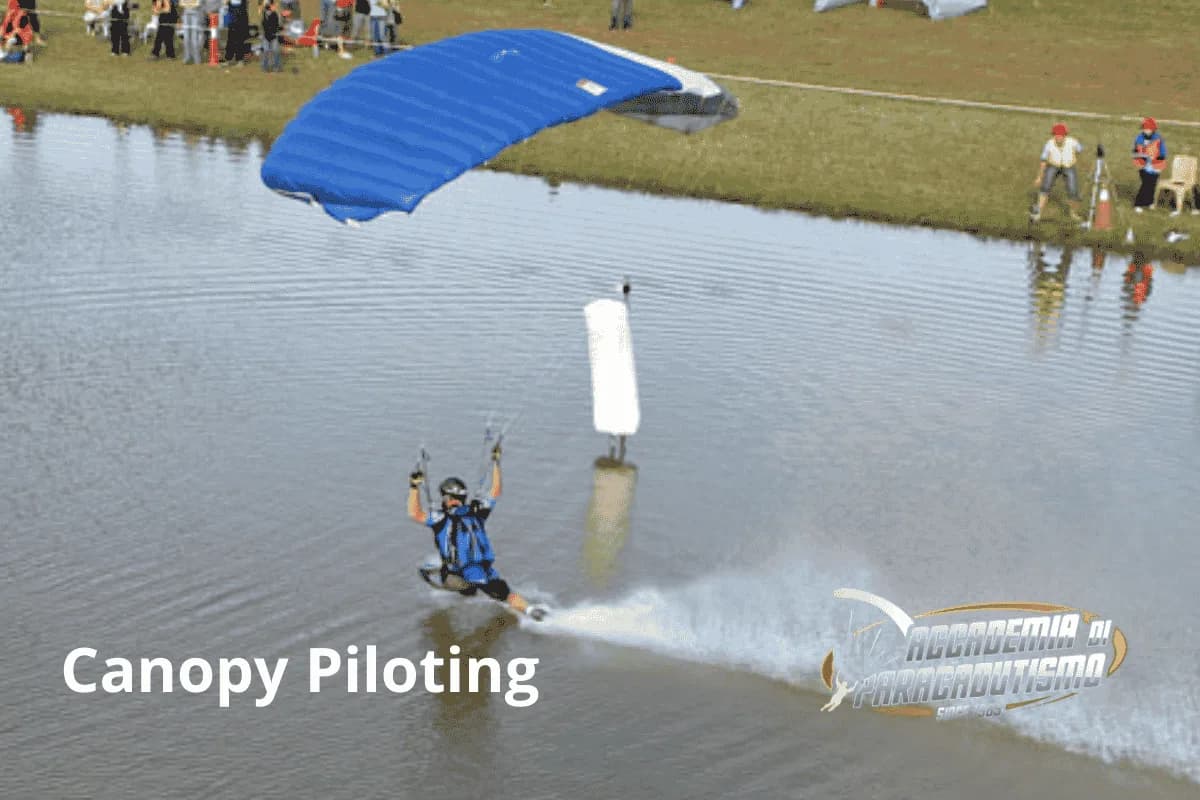
Canopy piloting is one of the most spectacular disciplines in skydiving because it is based on immediate, measurable elements such as speed, trajectory, distance, and accuracy. In 2025 the competitive circuit is increasingly structured, with clear categories (speed, distance, accuracy) and steady growth of Canopy Piloting Freestyle, which combines pure performance with components of style and advanced control.
In 2025–2026 the rising technical level requires an increasingly specialized approach: targeted training on entry, height, and timing, accurate wind reading, and more rigorous safety procedures. This makes canopy piloting a high-performance discipline of high interest, for both athletes and the public.
Speed Skydiving: when the numbers (and technology) matter
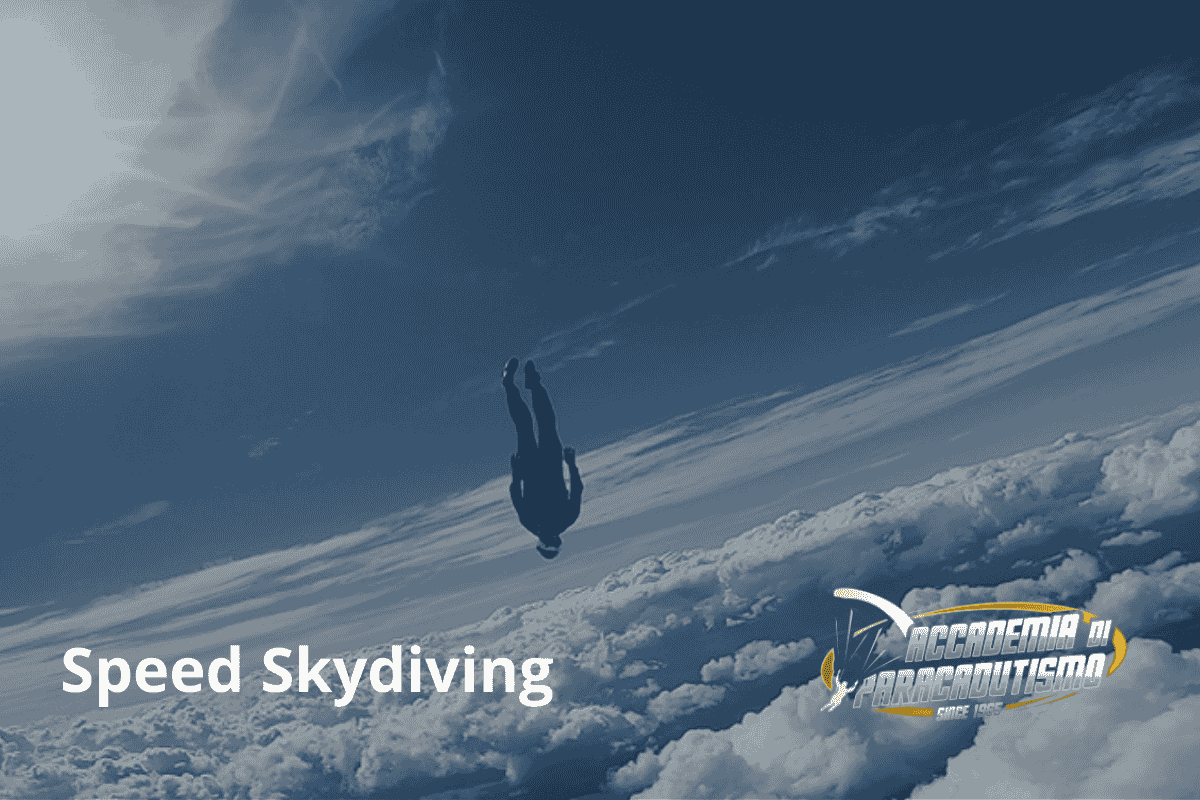
Speed skydiving is experiencing a very favorable moment because it represents the perfect meeting of pure performance and objective measurement. In this discipline the goal is to reach the maximum possible vertical speed in freefall, adopting an extremely aerodynamic body position that reduces air resistance and allows impressive acceleration.
The performance is recorded using certified instruments that measure the average speed within a predetermined altitude window. This makes the result clear, comparable, and immediately "rankable", turning freefall into objective, analyzable data.
It is no coincidence that speed skydiving is among the disciplines planned for the 2026 championships in high-profile settings. On one hand, the number of athletes highly specialized in body position, stability, and acceleration control is growing; on the other, measurement and scoring systems are evolving, making this discipline increasingly precise, readable, and sportingly relevant. For a point of comparison: on a tandem jump free fall lasts around 50-60 seconds and speed settles at about 200 km/h, as we explain in how long free fall lasts and how fast you go.
Wingsuit Flying: global growth and ever-stronger media attention
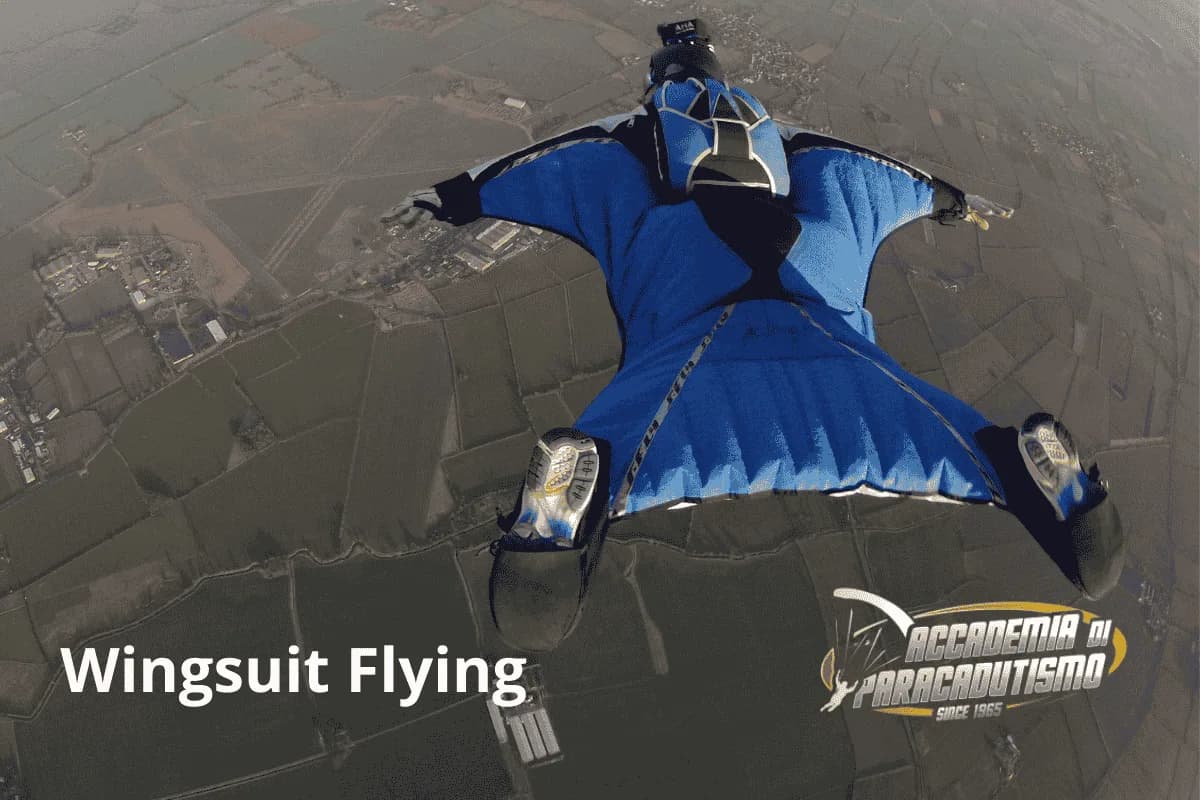
Wingsuit flying continues to expand both as a competitive discipline and as a media phenomenon. In 2025 it drew great attention thanks to competitions and formats that push performance and precision to the maximum, such as slalom speed races and high-speed accuracy tests, often included in highly prestigious international events.
This visibility has helped strengthen the image of the wingsuit as a highly technical discipline and not just an extreme experience. The races highlight trajectory control, speed management, and the ability to maintain precision even at very high rhythms.
Over the two-year period 2025–2026 the trend is very clear: greater professionalization, strong attention to structured training, and an increasingly marked focus on safety. The public narrative is also evolving, moving from mere adrenaline to technical expertise, intercepting growing searches linked to terms like wingsuit flying, wingsuit races, wingsuit and wingsuit training.
How to choose a competitive discipline today: the trend is specialization
Today competitive skydiving rewards specialization: each discipline requires specific skills, training, and objectives, making the training paths increasingly clear and focused. This is why explaining well the differences between disciplines, the steps from tandem to AFF — described level by level in our guide to the AFF skydiving course — and the culture of safety helps athletes and enthusiasts consciously choose their own path in sport skydiving.
Anyone who decides to specialise sooner or later also faces the choice of personal equipment: the criteria for deciding are collected in our guide on choosing a new or used parachute.
Frequently asked questions
- What is Vertical Formation Skydiving (VFS)?
- It is a competitive discipline that evolves from freefly and formation skydiving: formations are performed in a vertical position, alternating head-up and head-down at higher fall speeds.
- Which competitive disciplines are growing most in 2026?
- Among the most dynamic are VFS, canopy piloting (including freestyle), speed skydiving and wingsuit flying, along with artistic events and formation skydiving.
- How is performance measured in speed skydiving?
- Certified instruments record the average speed within a predetermined altitude window, making the result objective, comparable and immediately useful for the rankings.
- What role does the wind tunnel play in training?
- The wind tunnel is increasingly central: it allows more practice hours, video debriefing and work on timing and level control, reducing improvisation and increasing repeatability.
- How do you choose a competitive discipline?
- The trend is specialization: each discipline requires specific skills, training and goals. It's best to start from the basics (tandem and the AFF course) and then move toward the specialty that suits you most.
- What is the difference between formation skydiving and VFS?
- In classic formation skydiving you fly mainly in a horizontal position (belly flying), while in VFS the formations are built in a vertical position, alternating head-up and head-down at considerably higher fall speeds.
- What is canopy piloting freestyle?
- It is the variant of canopy piloting that adds a component of style and advanced canopy control, judged alongside the pure performance measured in the speed, distance and accuracy tasks.
- Where do you start if you want to get into sport skydiving?
- You start from the basics: a tandem jump to get a feel for the environment, then the AFF course, which takes you to solo jumping in seven levels. Only after that does it make sense to move towards a competitive specialty.
Ready for your tandem jump?
Free, flexible booking with no advance payment. Over 400 five-star reviews.
Useful resources
Keep reading
Guides
What is tandem skydiving and how does it work in 2026
Discover what tandem skydiving is and how a tandem jump works, from equipment and harness to the instructor's role, so you know what to expect from your first tandem jump.
Read the article
Guides
Military Skydiving License: how to get it in 2026
Military skydiving license 2026: how to obtain it, differences from the civilian one, and its value in public competitive exams.
Read the article
Guides
Skydiving or bungee jumping: what to choose in Milan
Discover the difference between bungee jumping and skydiving: emotions, safety, duration and control near Milan 2025
Read the article